كشفت تقنية CIQTEK SEM وEPR عن مسار جديد لإزالة النيكل-سترات
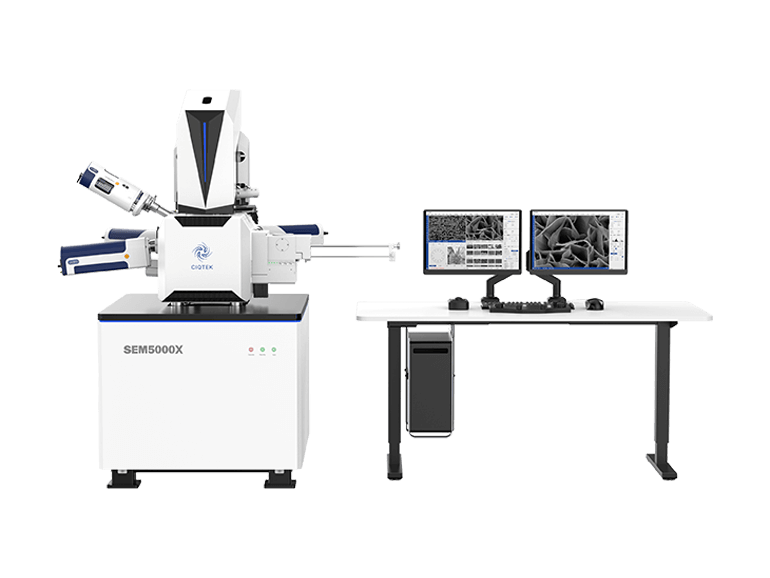
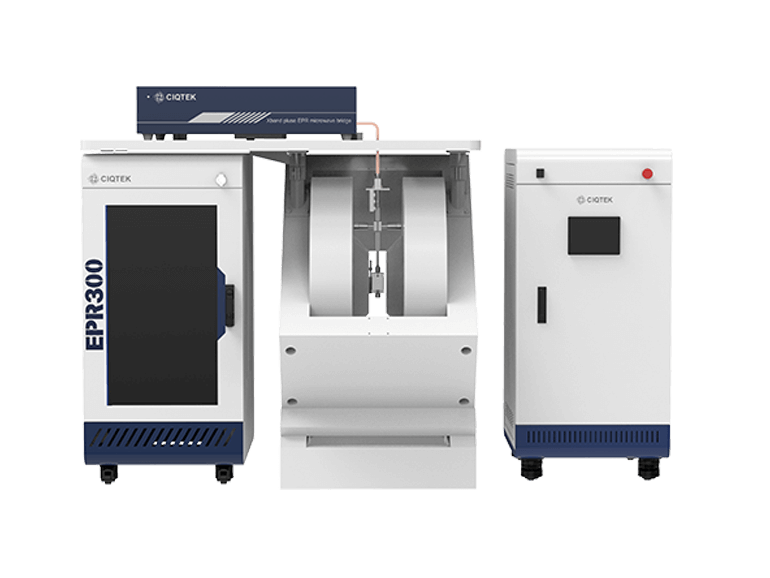
مع التوسع السريع في صناعات الطاقة الجديدة، والتعدين، والمعادن، والطلاء الكهربائي، أصبح تلوث النيكل في المسطحات المائية تهديدًا متزايدًا لجودة البيئة وصحة الإنسان. خلال العمليات الصناعية، غالبًا ما تتفاعل أيونات النيكل مع مختلف الإضافات الكيميائية لتكوين معقدات عضوية من المعادن الثقيلة (HMCs) عالية الاستقرار. على سبيل المثال، في الطلاء الكهربائي للنيكل، يُستخدم السترات (Cit) على نطاق واسع لتحسين تجانس الطلاء ولمعانه، إلا أن مجموعتي الكربوكسيل في Cit تتعاونان بسهولة مع Ni²⁺ لتكوين معقدات Ni-Cit (logβ = 6.86). تُغير هذه المعقدات بشكل كبير شحنة النيكل، وتكوينه الفراغي، وحركيته، ومخاطره البيئية، كما أن استقرارها يجعل إزالتها بطرق الترسيب أو الامتزاز التقليدية أمرًا صعبًا. حاليًا، يُعتبر "التفكك المعقد" الخطوة الأساسية لإزالة HMCs. ومع ذلك، فإنّ المعالجات الكيميائية أو الأكسدة التقليدية تعاني من ارتفاع التكلفة وتعقيد التشغيل. لذلك، تُقدّم المواد متعددة الوظائف ذات القدرات التأكسدية والامتصاصية بديلاً واعدًا. باحثون من جامعة بيهانغ، بقيادة البروفيسور شياومين لي والبروفيسور وينهونغ فان، استخدم مجهر مسح إلكتروني (SEM) CIQTEK و مطياف الرنين الإلكتروني البارامغناطيسي (EPR) لإجراء تحقيق معمق لقد طوروا استراتيجية جديدة باستخدام KOH المعدلة أروندو دوناكس ل. الفحم الحيوي لإزالة النيكل والسيت بكفاءة من الماء. لم يُظهر الفحم الحيوي المعدل كفاءة إزالة عالية فحسب، بل مكّن أيضًا من استعادة النيكل على سطح الفحم الحيوي. الدراسة، التي تحمل عنوان إزالة سترات النيكل بواسطة الكربون الحيوي أروندو دوناكس إل. المعدل بهيدروكسيد البوتاسيوم: الدور الحاسم للجذور الحرة المستمرة ، تم نشره مؤخرًا في أبحاث المياه . توصيف المواد تم إنتاج الفحم الحيوي من أروندو دوناكس أوراق الشجر ومُشبّعة بـ هيدروكسيد البوتاسيوم بنسب كتلة مختلفة. كشف تصوير المجهر الإلكتروني الماسح (الشكل 1) عن: أظهر الفحم الحيوي الأصلي (BC) شكلًا غير منظم يشبه القضيب. بنسبة 1:1 من KOH إلى الكتلة الحيوية (1KBC)، تم تشكيل بنية مسامية تشبه قرص العسل. عند نسب 0.5:1 أو 1.5:1، كانت المسام غير متطورة أو منهارة. وقد أكد تحليل BET أعلى مساحة سطح لـ 1KBC (574.2 متر مربع / جم)، متجاوزًا بذلك العينات الأخرى. توصيف المجهر الإلكتروني الماسح (SEM) ومجهر BET وقد قدم دليلاً واضحًا على أن تعديل KOH يعزز بشكل كبير المسامية ومساحة السطح - وهي عوامل رئيسية للامتصاص والتفاعلية الأكسدة والاختزال. الشكل 1. تحضير وتوصيف الفحم الحيوي المعدل بهيدروكسيد البوتاسيوم. الأداء في إزالة النيكل والسيت الشكل 2. (أ) كفاءة إزالة النيكل الكلي بواسطة أنواع مختلفة من الفحم الحيوي؛ (ب) تباين الكربون العضوي الكلي أثناء معالجة النيكل-السيت؛ (ج) تأثير تركيز Ni-Cit على كفاءة إزالة 1KBC؛ (د) تأثير الرقم الهيدروجيني على أداء إزالة 1KBC؛ (هـ) تأثير الأيونات المتعايشة على إزالة النيكل والسيت بواسطة 1KBC؛ (و) أداء إزالة التدفق المستمر لـ Ni-Cit بواسطة 1KBC. (Ni–Cit = 50 ملغ/لتر، جرعة الفحم الحيوي = 1 غرام/لتر) أظهرت التجارب الدفعية أداءً قويًا في الإزالة: عند جرعة 50 ملغ/لتر من النيكل والسيت و1 جرام/لتر من المادة، أزال 1KBC 99.2% من إجمالي النيكل في غضون 4 ساعات، مقارنة بـ 32.6% لـ BC. وصلت إزالة TOC إلى 31٪ لـ 1KBC، مما يؤكد أن Ni-Cit يخضع لتفكك معقد يتبعه امتصاص Ni²⁺. حتى عند 100 ملغ/ل من النيكل والسيت، ظلت كفاءة الإزالة أعلى من 93%. حافظت مادة 1KBC على أداء ممتاز ع...